HVAC Solutions for Restaurants and Hospitality in Dubai

Guests rarely compliment a restaurant on its air conditioning, but they always notice when it fails. In Dubai’s busy restaurants, cafés and hotels, the HVAC system works against kitchen heat, crowded dining rooms and relentless outdoor temperatures every single day. Getting it right protects comfort, hygiene and the reputation you have worked hard to build.
Key takeaways
- High customer turnover, constant kitchen heat and continuous AC use make hospitality HVAC uniquely demanding.
- Poor systems cause uneven cooling, excess humidity, odours and weak circulation that guests and staff notice immediately.
- Effective HVAC solutions for restaurants combine ventilation optimisation, air purification, AC cleaning and preventive maintenance.
- Well-maintained systems support energy efficiency, staff wellbeing and compliance with health standards.
Why HVAC matters so much in Dubai hospitality
Restaurants and hospitality venues in Dubai depend heavily on reliable HVAC systems to maintain comfort, hygiene and indoor air quality. Doors open and close constantly, dining rooms fill and empty in waves, and kitchens generate heat, steam and cooking fumes for hours at a time. Outside, summer temperatures above 45°C and high humidity leave no margin for an underperforming system.
Because HVAC performance directly affects guest experience and operational efficiency, it should be treated as part of the service, just like the menu or the décor. In a competitive hospitality market like Dubai, indoor comfort plays a crucial role in business reputation, and reviews often mention a stuffy room or a lingering smell.
Common HVAC problems in restaurants, cafés and hotels
Poor HVAC systems in hospitality environments tend to produce the same recognisable issues:
- Uneven cooling: tables near the kitchen or windows feel warm while others are too cold.
- Excessive humidity: a clammy atmosphere, foggy glass and condensation on surfaces.
- Unpleasant odours: cooking smells drifting into dining areas, or musty air from dirty AC units.
- Poor air circulation: stale pockets of air in corners, private rooms and corridors.
- Uncomfortable kitchens: excessive heat that wears staff down during long shifts.
These issues negatively impact customer satisfaction, the perception of food safety and staff working conditions. A guest who smells grease or sees dusty vents may start to question hygiene elsewhere.
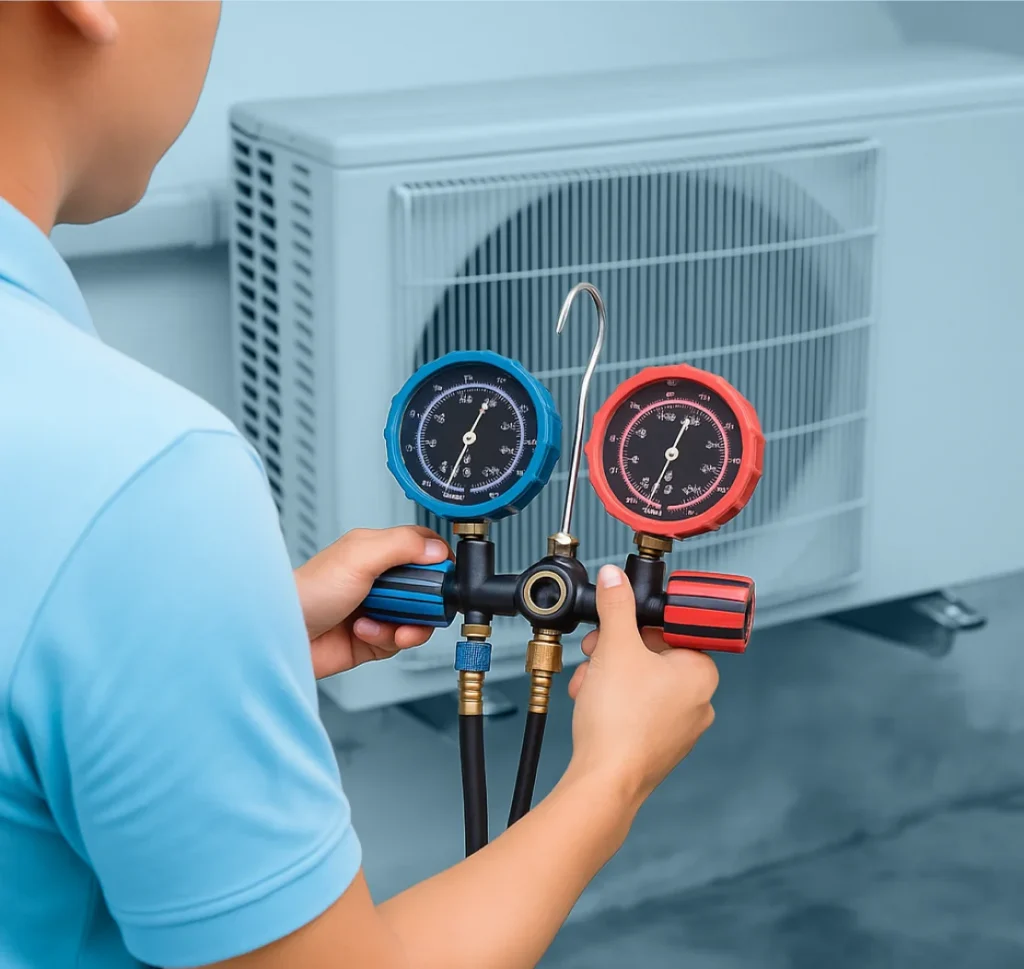
Core HVAC solutions for restaurants and hospitality venues
Professional HVAC solutions for restaurants bring several services together into one plan:
- Ventilation optimisation: balancing extraction and fresh air supply so excess heat and odours are removed from kitchens without pulling them into dining areas.
- Air purification: filtration and purification that keep front-of-house air fresh and free of fine particles.
- AC cleaning: deep cleaning of indoor units, coils and drain pans to remove grease-laden dust and microbial build-up.
- Preventive maintenance: scheduled servicing that catches worn parts and blockages before they cause a breakdown during service.
Proper ventilation removes excess heat and odours, while clean air circulation ensures a pleasant dining environment. Explore how each element works in our commercial HVAC services.
Pro tip: Book cleaning and maintenance visits during your quietest hours or before opening. Technicians can work freely, and guests never see ladders in the dining room.
A practical HVAC checklist for hospitality managers
Between professional visits, a few simple checks help keep the system on track:
- Inspect dining room vents weekly for dust or dark streaks.
- Note any area where guests regularly ask to change tables because of temperature.
- Check that kitchen extraction is running properly during every service.
- Report new smells, drips or noises immediately rather than waiting.
- Keep a log of service dates; busy venues typically need AC servicing every three months and deeper cleaning at least twice a year.
Efficiency, compliance and long-term value
Well-maintained HVAC systems also support energy efficiency and compliance with health standards. Clean coils and balanced airflow let equipment cool the space with less effort, which matters when the AC runs from early prep until late-night closing. Regular servicing also creates a record of care that supports inspections under local Dubai health and food safety requirements.
Frequently asked questions
Why does my restaurant smell of cooking in the dining area?
This usually means kitchen extraction and fresh air supply are out of balance. Ventilation optimisation corrects the airflow so odours are removed at the source.
How often should a restaurant clean its AC units?
Kitchens and busy dining rooms build up dust and grease quickly, so routine servicing every few months and deep cleaning at least twice a year is a sensible typical range.
Can better HVAC really improve guest reviews?
Comfort, fresh air and the absence of odours all shape how guests feel about a venue. Fixing these issues removes common sources of complaints.
Creating comfortable spaces guests want to return to
Investing in professional HVAC solutions enhances guest comfort, protects staff health and supports sustainable hospitality operations. ECO FRESH AIR provides specialised HVAC solutions for restaurants and hospitality venues in Dubai, each tailored to the unique operational demands of the space to ensure reliable performance, clean indoor air and long-term efficiency.
Make comfort part of the menu
Talk to us about an HVAC plan built around your restaurant, café or hotel.
