The Role of HVAC Systems in Dubai’s Modern Buildings
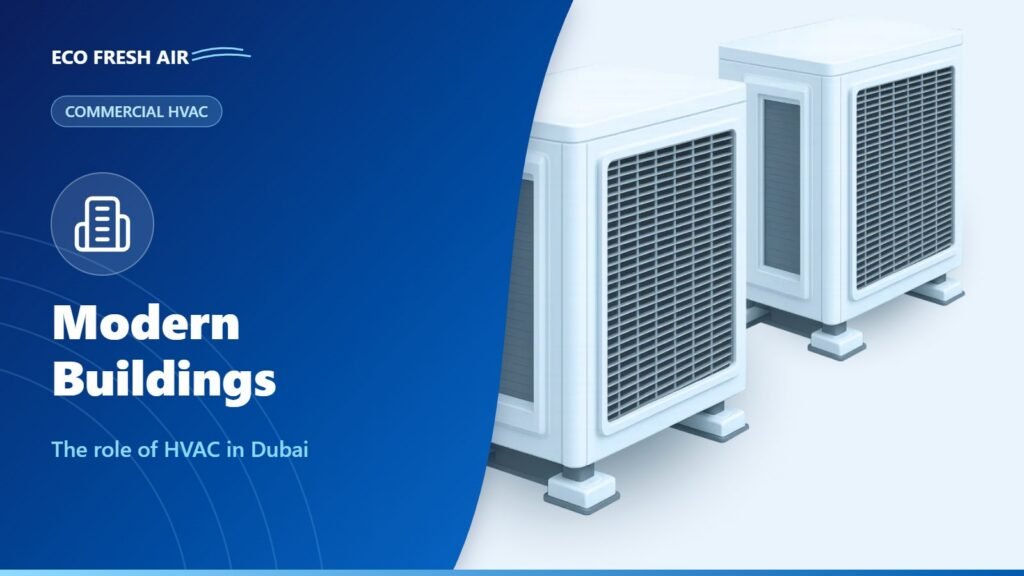
Glass towers, mixed-use communities and smart residential blocks define Dubai’s skyline, and every one of them depends on HVAC to be liveable. In modern buildings, the heating, ventilation and air conditioning system is not an add-on; it sits at the centre of comfort, efficiency, indoor air quality and long-term building performance.
Key takeaways
- HVAC systems are central to the comfort, efficiency and sustainability of Dubai’s modern buildings.
- High-rises must move large volumes of air while holding consistent temperatures on every floor.
- Poor design or maintenance leads to uneven cooling, airflow imbalance and higher energy use.
- Optimisation, ventilation management and preventive maintenance protect performance over the building’s life.
HVAC at the heart of modern building design
Modern buildings in Dubai rely heavily on advanced HVAC systems to maintain comfort, efficiency and indoor air quality. Contemporary architecture puts strong emphasis on energy efficiency and occupant comfort, and the HVAC system is the element that turns those design goals into a daily reality.
Large glazed facades, deep floor plates and tightly sealed envelopes all help a building perform well, but they also mean the indoor climate is controlled almost entirely by mechanical systems. In a city where air conditioning runs year-round and summer peaks exceed 45°C, the HVAC system effectively determines whether a building feels premium or problematic to the people inside it.
The challenges of cooling high-rises and large developments
In high-rise buildings and modern developments, HVAC systems must manage large volumes of air while maintaining consistent temperature control across many floors, orientations and uses. Poor system design or maintenance can result in uneven cooling, airflow imbalance and increased energy consumption, affecting both residential and commercial properties.
Typical issues that building managers and owners encounter include:
- Uneven cooling between floors or facades: sun-facing units overheating while shaded areas are overcooled.
- Airflow imbalance: some apartments or offices receive strong airflow while others feel stagnant.
- Rising energy consumption: systems working harder than necessary to meet the same demand.
- Humidity problems: clammy indoor air or condensation in corridors, lobbies and car park entrances.
- Dust ingress: fine sand carried in by Dubai’s dust events accumulating in shafts, ducts and filters.
How professional HVAC solutions support building performance
Professional HVAC solutions address these issues through system optimisation, ventilation management and preventive maintenance. Well-designed and well-maintained systems improve energy efficiency, enhance air quality and support long-term building performance. Advanced technologies also allow better humidity control and more effective pollutant removal.
Key areas of focus
- System optimisation: reviewing settings, controls and component condition so the system delivers the right cooling where and when it is needed.
- Ventilation management: making sure fresh air reaches occupied spaces and stale air is properly exhausted.
- Humidity control: keeping indoor moisture in a comfortable range to protect occupants and building finishes.
- Pollutant removal: cleaning coils and ducts and using air purification to reduce dust and airborne contaminants.
- Preventive maintenance: scheduled inspections that catch faults before they disrupt residents or tenants.
Pro tip: Keep a simple log of tenant comfort complaints by floor and facade. Patterns in that log often reveal balancing or zoning issues that a single unit inspection would miss.
Tailored, eco-friendly solutions for every building type
ECO FRESH AIR provides HVAC solutions for modern buildings in Dubai, combining technical expertise with eco-friendly practices. Each solution is tailored to the building’s structure, usage patterns and air quality requirements, ensuring optimal performance and sustainability.
A residential tower with families at home all day has a very different load profile from an office block that empties in the evening, or a mixed-use development with retail at ground level. Understanding these patterns allows maintenance and optimisation to target the areas that matter most, using cleaning methods and products that are kinder to occupants and the environment. You can see the full range of HVAC services for buildings on our website.
Frequently asked questions
Why do some floors of my building feel warmer than others?
This is usually caused by airflow imbalance, solar gain on particular facades, or components that need cleaning or adjustment. A professional assessment can identify the cause and rebalance the system.
How can a modern building reduce its HVAC energy use?
Regular optimisation, clean coils and filters, balanced airflow and well-managed ventilation all reduce the effort the system needs to make, which helps lower energy consumption.
How often should building HVAC systems be maintained in Dubai?
Most buildings benefit from a structured preventive programme, commonly with quarterly inspections and more frequent filter checks during the dusty summer period. Exact frequencies depend on system type and occupancy.
Does HVAC affect a building’s sustainability goals?
Yes. As one of the largest energy users in a Dubai building, a well-run HVAC system is central to meeting sustainability goals and local building requirements.
Efficient HVAC for Dubai’s buildings of tomorrow
Efficient HVAC systems in Dubai are essential for maintaining comfort, reducing operational costs and supporting modern building standards in Dubai. As developments grow taller and more sophisticated, the systems that cool and ventilate them need the same level of care and expertise.
ECO FRESH AIR works with building owners, developers and facility managers to keep HVAC systems efficient, healthy and reliable, combining technical know-how with environmentally responsible methods.
Keep your building performing at its best
Talk to ECO FRESH AIR about an HVAC assessment tailored to your building’s structure and usage.
