The Importance of HVAC Inspections in Dubai
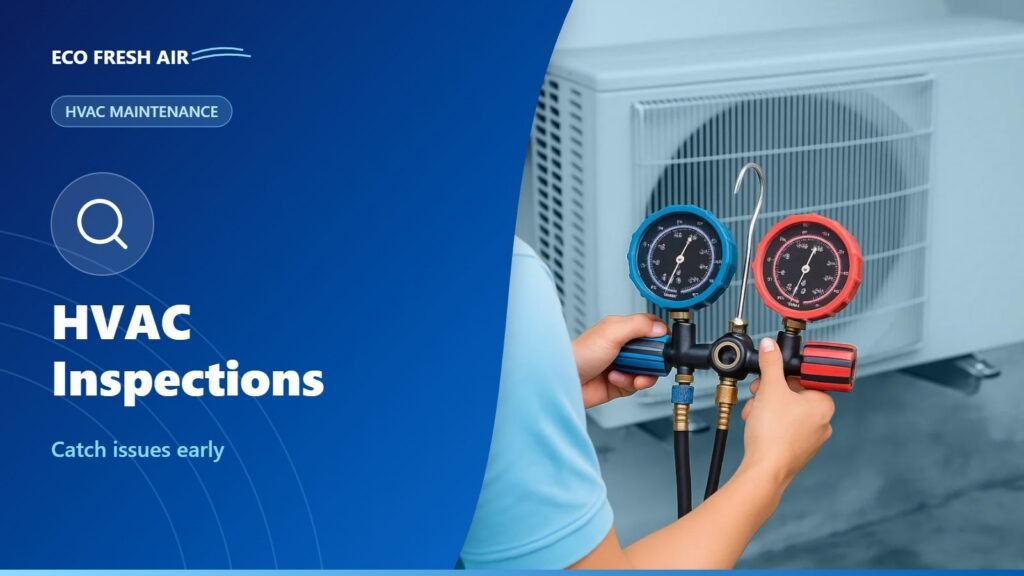
An HVAC system can look perfectly fine from the outside while small problems quietly build up inside. In Dubai, where systems run almost non-stop through extreme heat, those hidden issues grow faster than in milder climates. A regular HVAC inspection is the simplest way to find them early, before they turn into breakdowns, high bills or poor indoor air.
Key takeaways
- Continuous operation and extreme climate conditions make routine HVAC inspections essential in Dubai.
- Inspections uncover airflow restrictions, component wear and contamination before they become costly failures.
- A professional inspection covers diagnostics, airflow analysis, component evaluation and an air quality assessment.
- Early detection reduces downtime, extends equipment lifespan and supports energy efficiency.
Why HVAC inspections matter in Dubai’s climate
Regular HVAC inspections are essential in Dubai because systems face conditions that few other cities impose. Summer peaks above 45°C, high humidity and frequent dust and sand storms mean that compressors, fans and filters work hard for most of the year. There is no long, mild off-season in which wear can be ignored.
An inspection gives you a clear picture of how the system is really performing. It identifies potential issues before they develop into costly failures, ensuring consistent performance and healthy indoor air quality. In short, it turns maintenance from guesswork into informed decisions.
What happens when inspections are skipped
Without routine inspections, HVAC systems may suffer from problems that develop gradually and go unnoticed until something breaks:
- Airflow restrictions: clogged filters, dirty coils or blocked ducts that starve rooms of cool air.
- Component wear: tired motors, belts, bearings and electrical connections nearing failure.
- Contamination build-up: dust, mould and bacteria accumulating inside units and drain pans.
- Hidden leaks: condensate or drainage problems that can damage ceilings and finishes.
Each of these issues reduces system efficiency, increases energy consumption and compromises indoor comfort. This is why inspections play a critical role in any preventive maintenance strategy.
What a professional HVAC inspection includes
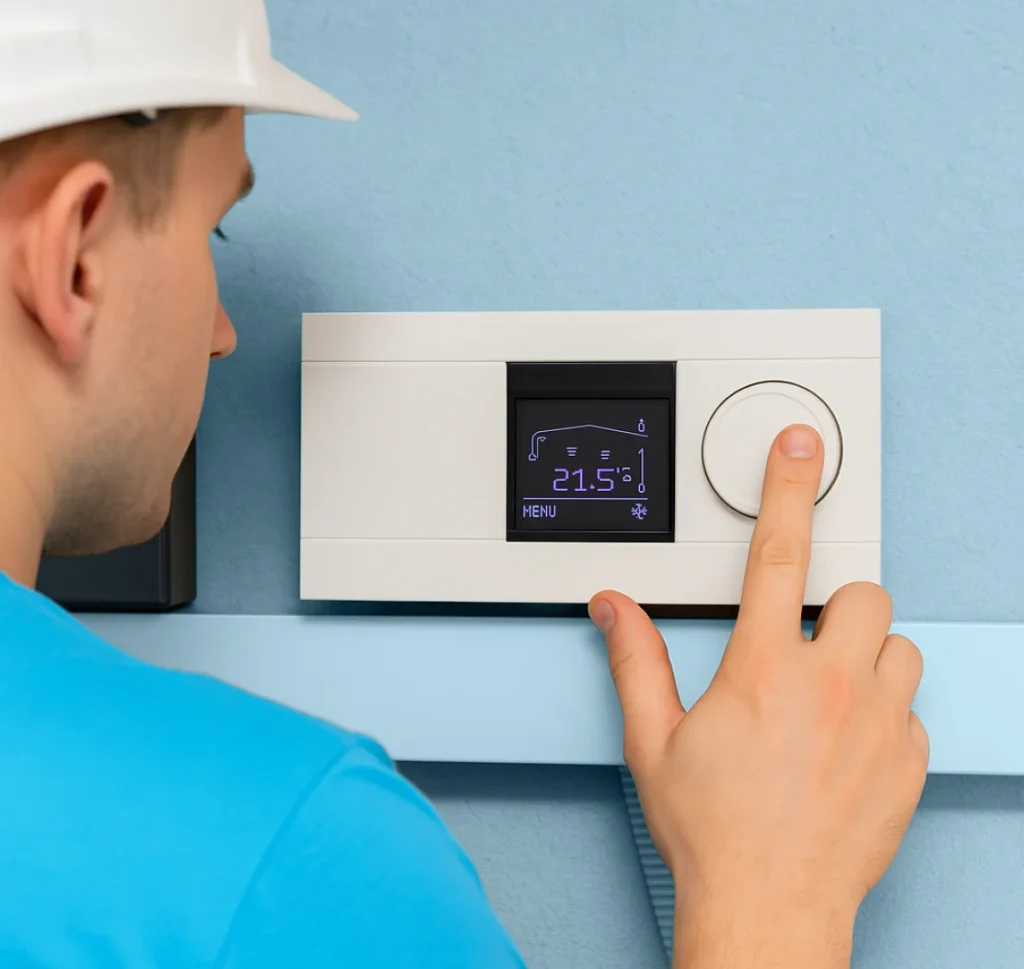
Professional HVAC inspections are structured, methodical assessments rather than a quick look at the thermostat. A thorough inspection typically follows these stages:
- System diagnostics: checking controls, operating temperatures, pressures and electrical components to confirm the system behaves as designed.
- Airflow analysis: measuring how well air moves through filters, coils, ducts and diffusers, and spotting restrictions or imbalances.
- Component evaluation: examining fans, motors, belts, coils, drain pans and insulation for wear, corrosion or damage.
- Air quality assessment: looking for dust, odours, moisture and signs of microbial growth that affect the air occupants breathe.
- Findings and recommendations: a clear summary of what was found, what is urgent and what can be planned.
These inspections ensure systems operate within optimal parameters and in line with safety and performance standards. If follow-up work is needed, our HVAC maintenance and cleaning services can address it directly.
Pro tip: Book an inspection in spring, before the summer peak. Any repairs can then be completed while demand is lower, and your system enters the hottest months in top condition.
How often should you schedule an HVAC inspection?
The right frequency depends on the property and how intensively it is used. As a typical guide for Dubai:
- Homes and villas: at least once or twice a year, ideally before and after summer.
- Offices and retail spaces: every three to six months, depending on occupancy and operating hours.
- Critical or 24/7 facilities: more frequent checks, often quarterly or as part of a planned maintenance contract.
- After dust storms or renovation work: an extra check to confirm filters and coils have not been overloaded.
The return on a regular inspection
Early detection of issues reduces downtime and extends equipment lifespan. Replacing a worn belt or cleaning a blocked coil during a scheduled visit costs far less than an emergency call-out, and it avoids the disruption of a system failure in the middle of summer. Efficient systems also use less energy, so the benefits continue long after the inspection is finished.
Frequently asked questions
Is an HVAC inspection the same as AC servicing?
Not quite. An inspection focuses on assessing condition and performance, while servicing involves cleaning and maintenance tasks. Inspections often guide what servicing is needed.
How long does an inspection take?
It depends on the size of the system. A home inspection is usually much quicker than a full assessment of a commercial building with multiple units.
Will an inspection tell me if my air quality is poor?
A professional inspection includes an air quality assessment, highlighting contamination, moisture or ventilation issues that could affect occupants.
A proactive investment in comfort and reliability
Regular HVAC inspections are a proactive investment that protects both system performance and occupant well-being. ECO FRESH AIR offers professional HVAC inspection services in Dubai, providing detailed evaluations and actionable recommendations that support long-term reliability, energy efficiency and better indoor air quality.
Know exactly how your system is performing
Book a professional HVAC inspection and get clear, practical recommendations.
