Smart HVAC Technologies Transforming Air Quality in Dubai
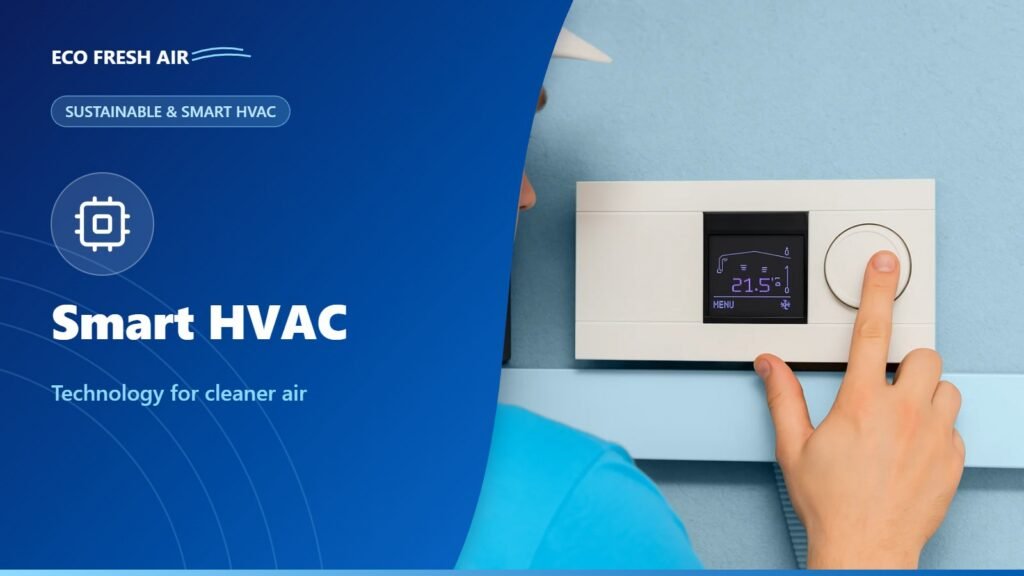
For decades, air conditioning in Dubai meant setting a temperature and hoping for the best. Smart HVAC technologies are changing that. With sensors, automation and performance monitoring, modern buildings can now see what is happening in their air and respond in real time, improving comfort and air quality while using less energy.
Key takeaways
- Smart HVAC technologies use sensors, automation and monitoring to manage temperature, airflow and air quality more precisely.
- Unlike fixed-setting systems, smart systems adjust operation based on real-time data, cutting waste and inconsistency.
- Key features include automated airflow control, advanced filtration, humidity regulation and performance analytics.
- Benefits include cleaner air, longer equipment life, lower energy costs and progress towards sustainability goals.
From fixed settings to real-time control
Traditional HVAC systems rely on fixed settings. They cool to a set point on a set schedule, whether a room is full or empty and whether the air is fresh or stale. In Dubai, where systems run for most of the year against temperatures that can pass 45°C, that approach often leads to inefficiencies and inconsistent performance: over-cooled meeting rooms, stuffy open-plan areas and energy spent on spaces nobody is using.
Smart HVAC technologies take a different approach. They adjust system operation based on real-time data, optimising cooling and ventilation while reducing energy consumption. The result is a building that responds to how it is actually used, rather than how someone guessed it would be used.
How smart HVAC technologies work
At the heart of a smart system is a simple loop: measure, decide, act and learn. In practice, this typically involves:
- Sensing: sensors track conditions such as temperature, humidity, occupancy and indicators of air quality in each zone.
- Analysing: a control platform compares readings with targets and identifies where conditions are drifting.
- Adjusting: the system automatically modulates fans, dampers, cooling output and fresh air supply.
- Monitoring: performance data is logged so facility teams can spot trends, faults and opportunities to improve.
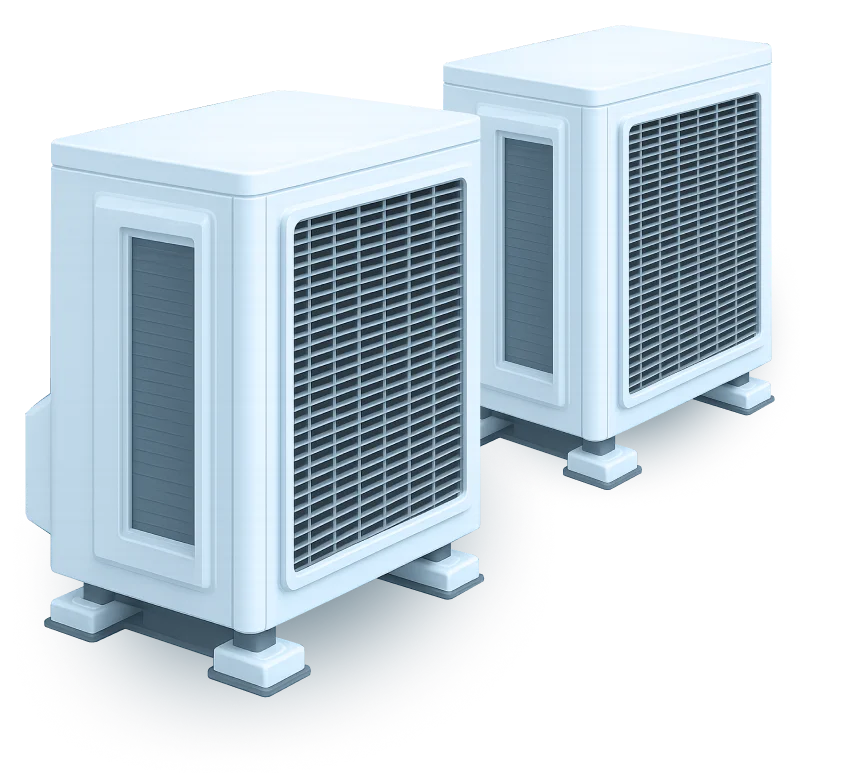
Key smart features that improve air quality
Automated airflow control
Instead of running at a constant rate, airflow increases when rooms fill up and eases back when they empty. This keeps fresh air flowing where people actually are and avoids wasting energy elsewhere.
Advanced filtration
Smart systems can pair high-performance filters with monitoring that flags when filters are loading up, which is particularly useful after Dubai’s dust and sand storms.
Humidity regulation
Coastal humidity can leave indoor spaces clammy and encourage mould. Automated humidity control helps keep conditions comfortable and discourages microbial growth inside the system.
Performance analytics
Dashboards and reports reveal how each part of the system performs over time, helping teams plan maintenance before small issues become failures.
Pro tip: Smart controls are only as good as the equipment they manage. Clean coils, ducts and filters first, so the system’s sensors and automation work with accurate readings and healthy airflow.
The business case for smart HVAC in Dubai
Smart HVAC solutions improve air quality, extend equipment lifespan and support sustainability goals. For building owners and businesses, the advantages add up:
- Lower energy costs: cooling and ventilation follow demand instead of running flat out.
- Healthier indoor environments: better control of fresh air, filtration and humidity.
- Longer equipment life: less unnecessary runtime and earlier detection of faults.
- Sustainability progress: reduced consumption supports green building objectives and corporate targets.
- Better visibility: data that supports smarter maintenance and investment decisions.
Not every building needs a full replacement to benefit. In many cases, smart controls, sensors and upgraded filtration can be integrated with existing equipment. Our HVAC and air quality services outline how upgrades can fit around your current system.
Frequently asked questions
Can smart HVAC technology be added to an existing system?
Often, yes. Many buildings add smart controls, sensors and better filtration to existing equipment, depending on its condition and compatibility.
Does a smart system still need maintenance?
Absolutely. Automation optimises operation, but filters, coils, drains and ducts still need regular cleaning and servicing to keep air quality high.
Are smart HVAC systems only for large commercial buildings?
No. While offices and towers benefit greatly, smart thermostats, sensors and controls are increasingly used in villas and apartments too.
The future of air quality management in Dubai
Smart HVAC systems represent the future of air conditioning and air quality management in Dubai. ECO FRESH AIR integrates smart HVAC technologies into its air quality solutions, ensuring seamless implementation and long-term performance, with each solution tailored to the building’s needs to maximise efficiency and air quality benefits.
Make your building’s HVAC smarter
Discover how smart controls and better filtration can improve your indoor air and cut energy use.
