AC System Optimization in Dubai: Reduce Costs and Improve Air Quality
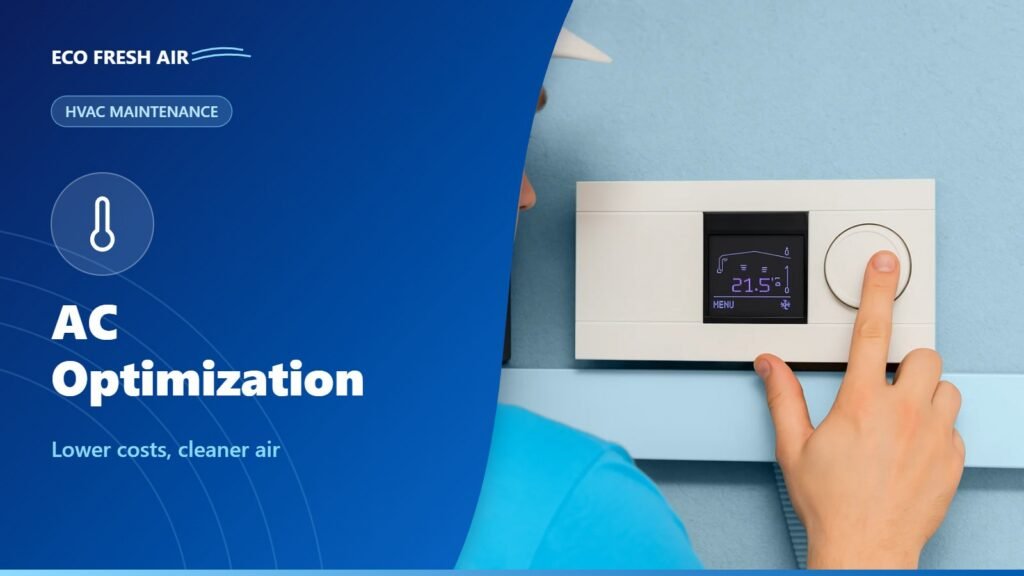
In Dubai, air conditioning is not a seasonal luxury; it runs almost continuously. That makes AC system optimization one of the most effective ways to cut running costs and improve indoor air quality at the same time. Even small inefficiencies, repeated thousands of hours a year, add up to significant energy waste.
Key takeaways
- Small inefficiencies in a constantly running AC system create significant energy waste.
- Dust buildup, airflow imbalance and outdated settings reduce cooling and strain components.
- Optimisation evaluates airflow, cooling capacity, ventilation and air quality, then corrects them.
- It is part of a long-term HVAC performance strategy, not a one-time fix.
Why AC system optimization matters in Dubai’s climate
Summer temperatures that regularly pass 45°C, high humidity along the coast and frequent dust in the air all push AC systems hard. Units in Dubai often cool for most of the day, every day of the year. Under these conditions, a system running even slightly below its best consumes noticeably more electricity and delivers poorer air circulation.
Optimising an AC system allows property owners and businesses to achieve better cooling performance while reducing operational expenses. The goal is simple: get the comfort you need from the least energy possible, with cleaner air as a direct result.
Signs your AC system is not optimised
An unoptimised system rarely fails outright. Instead, it shows a pattern of underperformance. Watch for:
- Some rooms staying warm while others are too cold (uneven airflow)
- Electricity bills rising without any change in usage
- The unit running for long periods without reaching the set temperature
- Frequent maintenance call-outs for the same issues
- Visible dust around vents and a stale or musty smell
- Louder operation than usual from fans or compressors
Behind these symptoms are usually dust buildup, improper airflow balance and outdated system configurations. Together they reduce cooling efficiency and increase strain on HVAC components, which over time leads to higher electricity bills, uncomfortable indoor conditions and a shortened system lifespan.
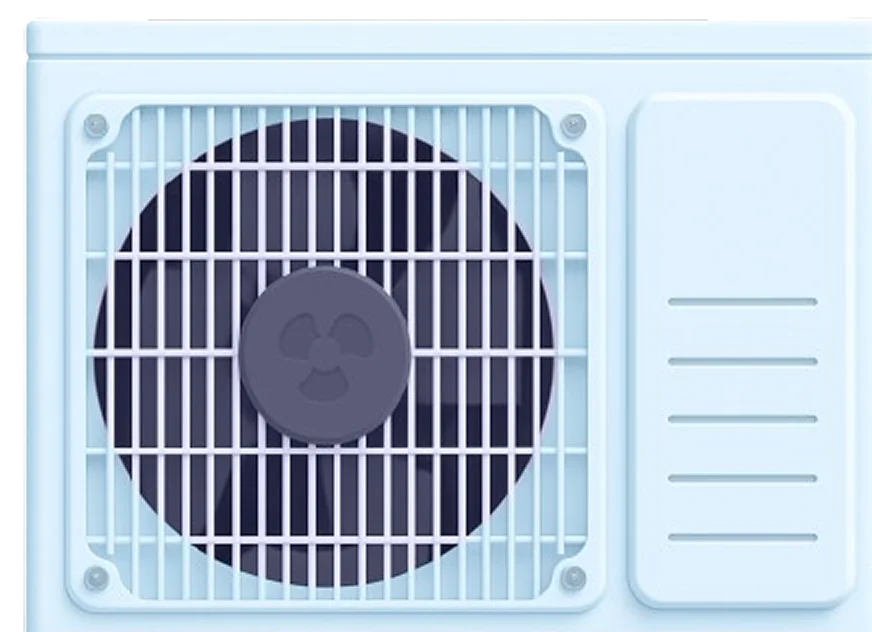
What a professional optimisation involves
Professional AC system optimization starts with a detailed evaluation and ends with measurable improvements. A typical process looks like this:
- Performance evaluation: reviewing airflow distribution, cooling capacity, ventilation efficiency and air quality performance across the property.
- Cleaning internal components: filters, coils, blowers and drain pans are cleaned so heat transfer and airflow are restored.
- Airflow balancing: diffusers, dampers and fan speeds are adjusted so every zone receives the right volume of conditioned air.
- Settings review: thermostat schedules, set points and control configurations are updated to match how the space is actually used.
- Air circulation improvements: obstructions are cleared and ventilation is aligned with occupancy.
- Recommendations: a clear plan for ongoing maintenance and any components that need attention.
By adjusting settings, cleaning internal components and improving air circulation, an optimised system delivers consistent cooling while maintaining cleaner indoor air. This directly improves occupant comfort and reduces the presence of airborne contaminants. See the full range of AC and HVAC services involved.
Pro tip: Set thermostats to a steady, moderate temperature rather than very low. An optimised system holds a stable set point efficiently, while constant large adjustments make it work harder and use more energy.
How optimisation reduces costs and improves air quality
The cost logic is straightforward. Clean coils transfer heat more effectively, balanced airflow means no zone is overcooled to compensate for another, and correct settings stop the system running when it does not need to. Each of these reduces the hours of hard work the compressor performs, which lowers electricity use and wear.
The air quality benefits come from the same actions. Removing dust from filters and coils stops it being recirculated, better circulation prevents stagnant pockets of air, and balanced ventilation dilutes indoor pollutants. Lower strain on components also means fewer breakdowns and a longer system lifespan.
Benefits for commercial and residential properties
Commercial environments
In offices, shops and other commercial spaces, optimised AC systems contribute to improved employee productivity, customer satisfaction and operational reliability. Stable conditions mean fewer complaints and fewer disruptions.
Residential properties
Villas and apartments benefit from more stable temperatures, reduced noise levels and healthier indoor air. Families notice the difference in comfort, particularly in bedrooms and living areas used throughout the day.
In both cases, AC optimization is not a one-time fix. It is part of a long-term HVAC performance strategy, typically revisited at least once a year, with filter and coil checks more often during dusty months.
Frequently asked questions
How is optimisation different from routine AC servicing?
Routine servicing keeps components clean and working. Optimisation goes further by evaluating and adjusting airflow, capacity, settings and ventilation so the whole system performs at its best.
How often should an AC system be optimised in Dubai?
A full review once a year is a common baseline, with more frequent checks for heavily used commercial systems.
Will optimisation lower my electricity bills?
Reducing waste from dirty components, poor balance and incorrect settings generally lowers energy consumption, though results depend on the system’s starting condition.
Can older systems be optimised?
Yes. Many older systems improve significantly with cleaning, balancing and updated configurations.
Better cooling for less, with ECO FRESH AIR
ECO FRESH AIR provides professional AC system optimization services in Dubai, designed to meet the city’s extreme climate demands. Each solution is customised based on the property’s layout, usage patterns and air quality requirements, ensuring long-term efficiency and performance.
Cut waste, not comfort
Find out how much more efficiently your AC system could run with a professional optimisation.
