Air Quality Management in Dubai: Best Practices for Businesses
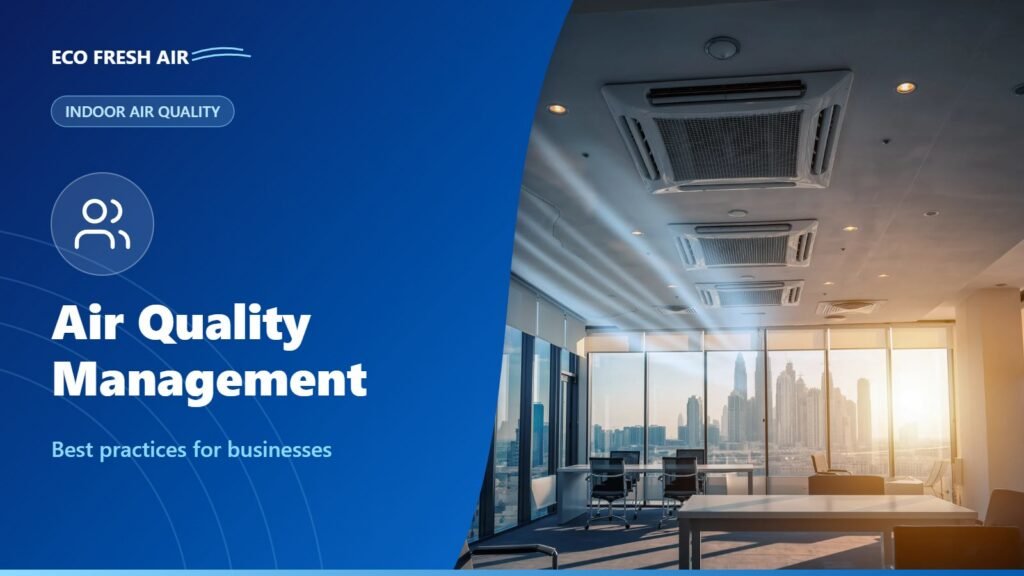
For businesses in Dubai, indoor air is part of the customer experience, the employee experience and the bottom line. Because doors stay shut and air conditioning runs all year, air quality management has become a strategic priority rather than a technical afterthought.
Key takeaways
- Continuous AC use and enclosed spaces make air quality management a business priority in Dubai.
- Dust, poor ventilation, humidity imbalance and contaminated HVAC systems are the main pollution sources.
- Neglecting air quality risks health complaints, absenteeism and damage to reputation.
- Best practice combines HVAC maintenance, AC cleaning, ventilation optimisation and air purification.
Why air quality management is a business priority in Dubai
Air quality management has become a strategic priority for businesses in Dubai because of continuous air conditioning use and enclosed indoor environments. Offices, retail spaces, hospitality venues and commercial buildings all depend on clean indoor air to protect employee health, customer comfort and operational efficiency.
Poor air quality has a direct impact on productivity, reputation and long-term performance. A stuffy office drains energy, a musty hotel room leads to complaints, and a dusty retail floor undermines the premium image a brand works hard to build.
Identifying the sources of indoor pollution
Effective air quality management starts with understanding where the problems come from. In Dubai business premises, the most common sources are:
- Dust accumulation: fine sand and dust carried in from outdoors, especially during sandstorms, settling in filters, ducts and on surfaces.
- Inadequate ventilation: too little fresh air for the number of people, causing stale, stuffy conditions.
- Humidity imbalance: overly humid or overly dry air, both of which affect comfort and can encourage microbial growth.
- Contaminated HVAC systems: dirty coils, drain pans and ducts that recirculate pollutants through the whole building.
Without proper control, these factors contribute to respiratory discomfort, unpleasant odours and more health complaints. Businesses that neglect air quality risk higher absenteeism and lower workplace satisfaction.
Best practices for managing air quality
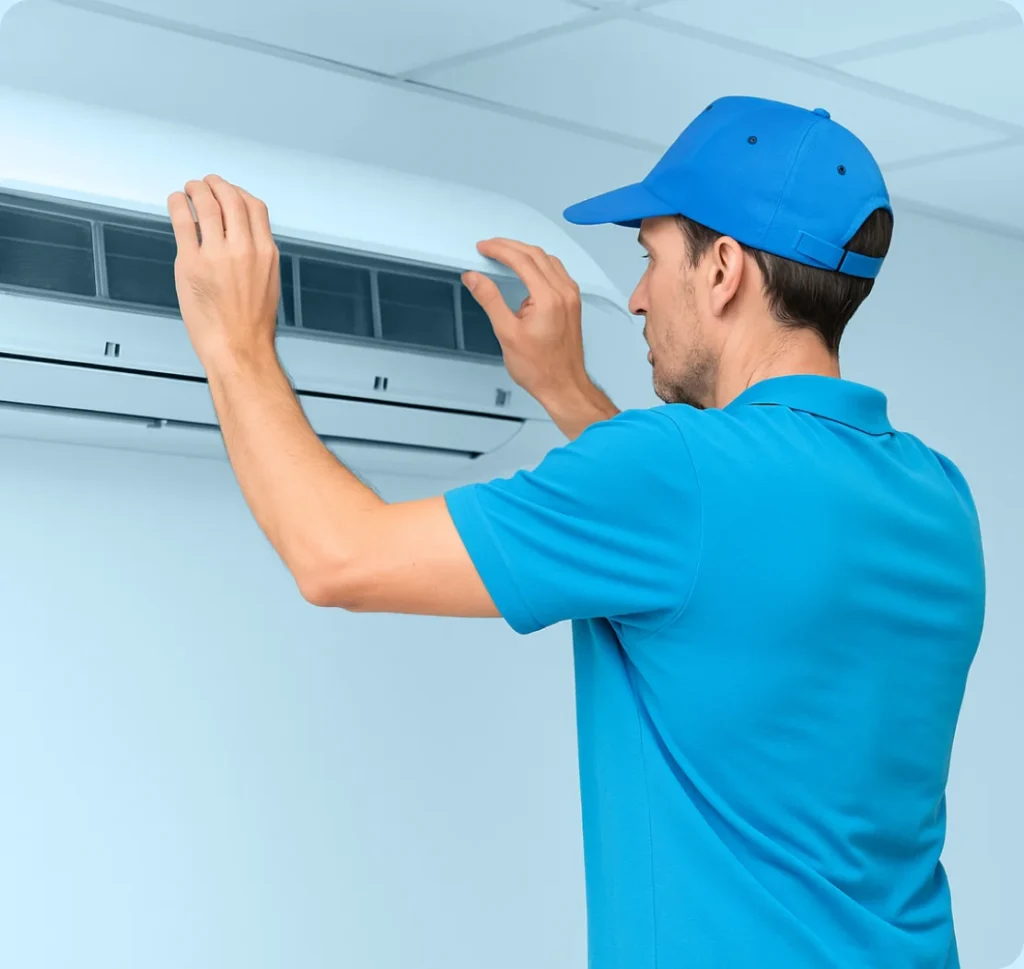
Best practices for air quality management include professional HVAC maintenance, AC cleaning, ventilation optimisation and air purification. These measures work together to remove airborne contaminants, regulate humidity and keep airflow consistent.
- Professional HVAC maintenance: regular inspections and servicing keep the system running cleanly and efficiently, typically every three to six months for commercial premises.
- AC cleaning: deep cleaning of coils, drain pans and ducts removes the dust and microbial build-up that drives poor air.
- Ventilation optimisation: balancing fresh-air supply to occupancy levels, so meeting rooms, dining areas and shop floors are never stale.
- Humidity control: keeping indoor moisture in a comfortable range throughout the year.
- Air purification: adding filtration or purification technologies where high footfall or sensitive occupants require extra protection.
A proactive approach keeps indoor conditions stable throughout the year, even during peak summer months when systems are under the most pressure.
Pro tip: Make air quality part of your regular facilities checklist. Schedule extra filter checks after major sandstorms, as dust loads can rise sharply in just a few days.
Applying best practice across different business types
Every type of business has its own air quality priorities. Offices focus on concentration and comfort for staff working long hours. Retail spaces need fresh, welcoming air for customers. Hospitality venues such as hotels and restaurants must manage odours and humidity across guest rooms, kitchens and dining areas. Larger commercial buildings need a consistent standard across many tenants and zones.
ECO FRESH AIR provides professional air quality management solutions in Dubai tailored to business environments. Each project begins with a detailed assessment, followed by customised strategies designed to improve air quality, system efficiency and sustainability.
Frequently asked questions
What is air quality management for a business?
It is a structured approach to keeping indoor air clean and comfortable, combining HVAC maintenance, cleaning, ventilation and purification, rather than reacting to problems one at a time.
How do I know if my business has an air quality problem?
Common signs include stale or musty smells, visible dust around vents, uneven humidity, and staff or customers reporting headaches, sneezing or discomfort.
Does better air quality help with local compliance?
Maintaining clean, well-ventilated HVAC systems supports businesses in meeting local Dubai health and building requirements.
Where should we start?
A professional assessment is the best first step. It identifies the main pollution sources so investment goes where it has the most impact.
Healthier spaces, stronger businesses
By applying best practices in air quality management in Dubai, businesses can create healthier environments, enhance performance and protect long-term HVAC investments.
ECO FRESH AIR partners with businesses to assess, improve and maintain indoor air quality using eco-friendly methods, so your premises stay comfortable for employees and customers in every season.
Make clean air part of your business strategy
Start with an ECO FRESH AIR assessment of your premises and a tailored air quality plan.
